
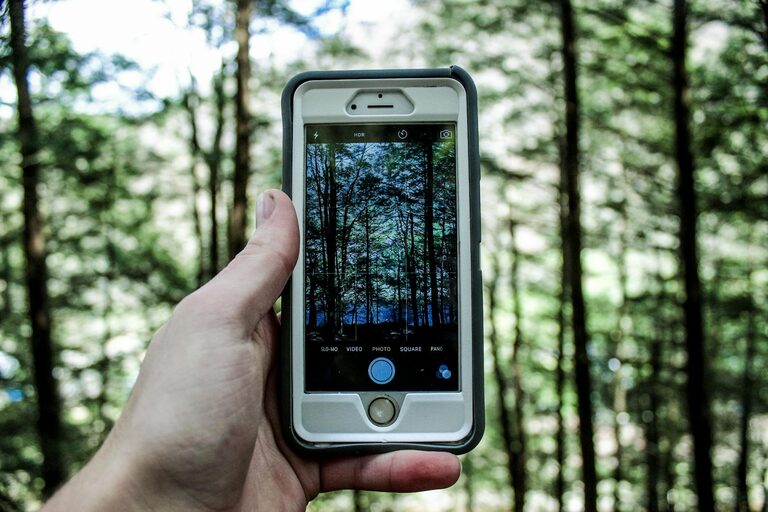
Taking great photos with your phone is easier than you might think. Whether you’re capturing memories of family gatherings, beautiful landscapes, or everyday moments, your phone camera is a powerful tool. With a few simple tips and a bit of practice, you can elevate your phone photography and create images you’ll be proud to share. In this post, we’ll explore beginner-friendly strategies to help you take better phone photos, no fancy equipment needed!
Understanding Your Phone Camera
Before diving into photography tips, it’s important to understand what your phone camera can do.
Explore Camera Settings
Most smartphones come packed with features like HDR, grid lines, different modes (portrait, panorama), and manual controls. Spend some time familiarizing yourself with the camera app on your phone.
– Grid lines: These help with composition by dividing the frame into thirds, making it easier to follow the “rule of thirds” (more on this below).
– HDR (High Dynamic Range): This setting improves photos involving high contrast between light and dark areas.
– Focus and exposure controls: Tap on your subject to set focus, and adjust exposure (brightness) accordingly.
Clean Your Lens
It sounds simple, but a smudged lens can ruin a photo’s clarity. Regularly clean your phone’s camera lens with a soft, clean cloth.
Composition Tips for Better Photos
A well-composed photo looks balanced and draws the viewer’s attention to the subject.
Use the Rule of Thirds
Imagine your screen divided into nine equal rectangles by two vertical and two horizontal lines. Position important parts of your photo along these lines or their intersections to create a natural and appealing balance.
Find Leading Lines
Look for natural lines in the scene such as roads, fences, or shadows that lead the eye toward the main subject.
Keep Backgrounds Simple
A busy or cluttered background can distract from your subject. Try to find plain or contrasting backgrounds that help your subject stand out.
Lighting: The Key to Great Photos
Good lighting can dramatically improve your photos. Your phone camera performs best in natural light.
Avoid Harsh Midday Sun
Bright noon sunlight can create strong shadows and overexposed areas. Instead, try shooting during the “golden hour” — shortly after sunrise or before sunset, when the light is soft and warm.
Use Shade for Even Lighting
When the sun is too bright, find shaded areas to avoid harsh shadows on your subject.
Experiment with Backlighting
Placing the light source behind your subject can create interesting silhouettes or glowing effects, but be mindful of overexposure.
Steady Hands for Sharper Photos
Blurry photos are often caused by shaky hands.
– Hold your phone steady with both hands.
– Tuck your elbows close to your body.
– Lean against a stable object like a wall or table when possible.
– Use your phone’s timer or a remote shutter to avoid shaking when pressing the shutter button.
Take Advantage of Phone Camera Features
Modern phones offer various shooting modes and editing tools.
Portrait Mode
Use portrait mode to keep your subject sharp while gently blurring the background, creating a professional-looking depth effect.
Burst Mode
Perfect for capturing action shots or moments when your subject is moving. Hold down the shutter button to take multiple photos quickly, then choose the best one.
Edit Your Photos
Use built-in editing tools or free apps to adjust brightness, contrast, cropping, and color balance. Don’t overdo it—aim for natural enhancement.
Practice Makes Perfect
The more photos you take, the better you’ll understand your phone’s strengths and limitations. Try different techniques, perspectives, and subjects to discover what works best.
Try Different Angles
Move around your subject. Shoot from above, below, or from the side to add interest and variety.
Focus on Details
Close-up shots of textures, patterns, or small objects can produce striking images.
Final Thoughts
Taking better photos with your phone requires a mix of understanding your device, practicing good composition, working with light, and steadying your shot. Remember, the best camera is the one you have with you, so keep experimenting and enjoy capturing life’s moments in style!
Happy shooting!
