
Taking good care of your clothes not only helps you look your best but also extends the lifespan of your favorite garments. With proper maintenance, you can reduce waste and save money by avoiding frequent replacements. Whether you want to keep your work shirts crisp or your cozy sweaters soft, following some simple tips can significantly improve how your clothes hold up over time.
Understanding Fabric Types
Before diving into care techniques, it’s essential to recognize that different fabrics require different care methods. Common fabric types include cotton, wool, synthetic blends, silk, and denim. Each has unique needs regarding washing, drying, and storage.
– Cotton: Generally durable and easy to wash, cotton clothes benefit from cold water washes to prevent shrinking.
– Wool: Delicate and prone to shrinking or felting, wool is best hand-washed or cleaned using a wool-specific detergent.
– Synthetics (polyester, nylon): These fabrics dry quickly and resist wrinkles but can retain odors if not washed properly.
– Silk: Very delicate and sensitive to harsh chemicals or high heat, silk items often require hand washing or dry cleaning.
– Denim: Sturdy but can fade with frequent washing; washing inside out preserves color.
Knowing what your garment is made from is the first step toward keeping it in good condition.
Washing Tips to Preserve Fabrics
Proper washing techniques are crucial in maintaining your clothes’ quality.
Sort Clothes Before Washing
Separate light from dark clothes to avoid color bleeding. Also, sorting by fabric type lets you choose appropriate wash cycles. For example, wash delicate fabrics separately on gentle cycles.
Use Cold Water When Possible
Cold water washing reduces shrinking, fading, and energy consumption. Most modern detergents work well in cold water, making this an eco-friendly choice.
Choose the Right Detergent
Use detergents designed for specific fabrics if possible. Delicate detergents for silk and wool are milder and protect fibers better. Avoid using too much detergent, as leftover residue can damage fabrics and irritate skin.
Avoid Overloading the Washing Machine
Crowding clothes prevents them from moving freely, resulting in poor cleaning and more wear and tear. Follow your machine’s load recommendations.
Hand Wash When Necessary
For delicate items or those with embellishments, hand washing is the safest option. Use lukewarm water and gentle detergent, and avoid wringing the fabric.
Drying Practices That Protect Your Clothes
How you dry your clothes can make a big difference.
Air Dry When Possible
Air drying is gentler and prevents heat damage caused by dryers. Hang clothes on a drying rack or clothesline in a well-ventilated area out of direct sunlight to avoid color fading.
Use a Low Heat Setting in the Dryer
If you need to use a dryer, select the lowest heat setting and remove clothes promptly to reduce wrinkles and shrinkage.
Dry Flat for Heavy Garments
Sweaters and heavy knits should be dried flat on a clean towel to maintain their shape and prevent stretching.
Avoid Overdrying
Overdrying weakens fibers and causes brittleness. Remove clothes when they are just dry or slightly damp.
Storage Tips to Keep Clothes Fresh and Shape
Proper storage is key to preventing damage over time.
Use Appropriate Hangers
Use wider, padded hangers for delicate tops and suits to avoid shoulder bumps. Thin wire hangers can distort shapes and leave marks.
Fold Heavy Clothing
Sweaters, knits, and heavy fabrics should be folded rather than hung to maintain their form.
Store Clothes in a Cool, Dry Place
Avoid damp or hot environments, as moisture can lead to mildew and heat can degrade fabric fibers.
Use Storage Bags for Seasonal Clothes
Protect garments you won’t use for months with breathable garment bags to keep out dust and pests.
Avoid Plastic Bags
Plastic traps moisture, which can cause mildew and yellowing. Opt for cotton storage bags instead.
Additional Tips for Extending the Life of Your Clothes
Spot Clean Stains Immediately
Address stains as soon as you notice them using appropriate stain removers or mild detergent. The longer stains sit, the harder they are to remove.
Rotate Your Wardrobe
Wearing different items on a rotating basis reduces constant wear on a few favorites and allows washed clothing to fully dry and rest.
Repair Minor Damages Promptly
Fix loose buttons, small holes, or fraying seams before they worsen. Simple sewing repairs can keep clothes wearable much longer.
Avoid Excessive Ironing
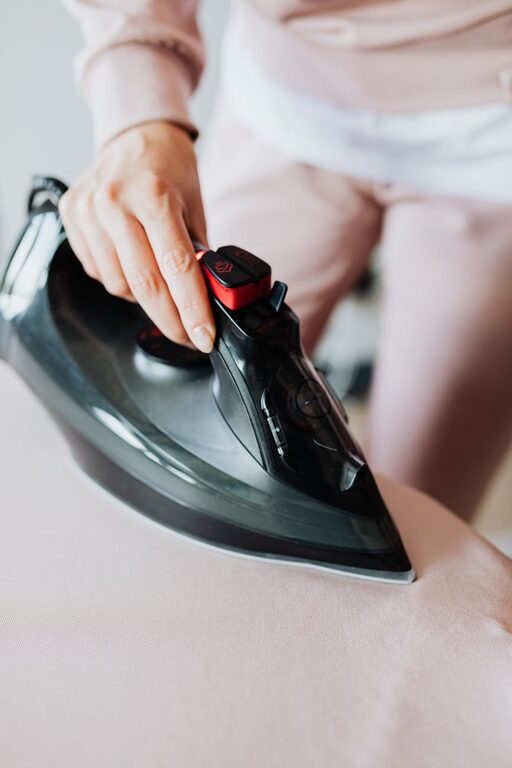
Too much heat and pressing can weaken fibers. Use a steam setting or iron only when necessary, following fabric-specific instructions.
Conclusion
Caring for your clothes doesn’t have to be complicated. By understanding fabric types and adopting mindful washing, drying, and storage habits, you can prolong the life of your wardrobe significantly. Not only will your clothes stay looking fresh and new, but you’ll also contribute to more sustainable fashion practices by reducing waste.
Try incorporating these tips into your routine and watch your favorite garments last seasons longer!
